Lavazza has run the Rainbow Studio hackathon with Imperial College London: 31 students developed new coffee-based beverage concepts for the food service industry in London.
In short
- Lavazza held the Rainbow Studio hackathon in London from 14 to 18 September 2026, devised with a team from Imperial College London.
- The Department of Aeronautics, the Department of Chemistry and the Dyson School of Design Engineering took part, with 31 students.
- The brief was new coffee-based beverage concepts for food service, and the winning team received a Tablì coffee machine.
Coffee meets science
What will the coffee of tomorrow taste like, and what will it look like? With that question, Lavazza sent students from one of the world's most prestigious universities into the lab in September. From 14 to 18 September 2026 the Turin coffee group was in London with Rainbow Studio, a hackathon it devised and promoted together with a team from Imperial College London. The Department of Aeronautics, the Department of Chemistry and the Dyson School of Design Engineering were involved.
For Lavazza, the initiative reflects an idea of innovation that looks beyond its own walls: anticipating future demands, taking inspiration from new ideas and joining forces with people who bring a fresh and original perspective.
A lab between research and kitchen
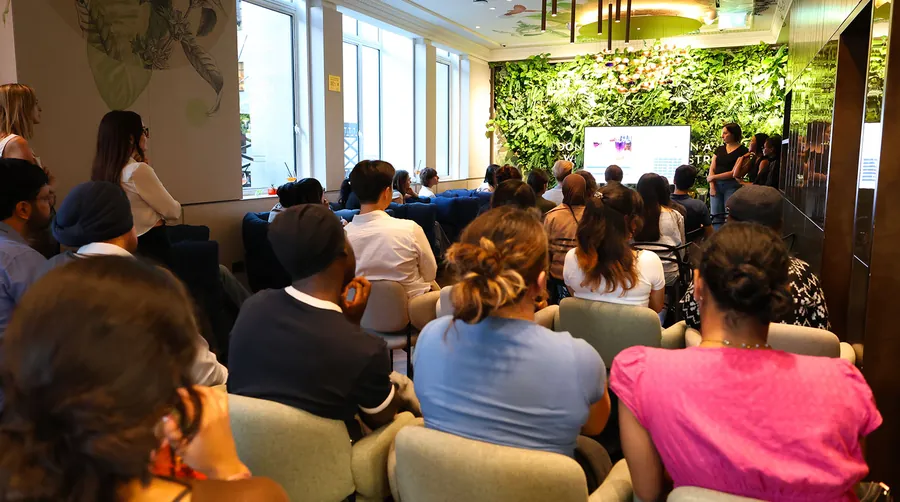
Thirty-one students from across the university came together for an intensive marathon of creativity and experimentation. It was hosted at the Chemical Kitchen, a unique laboratory at the university where scientific research meets gastronomic culture. For a coffee hackathon that is a fitting venue, because much of what happens in the cup is chemistry: during brewing, hot or cold water dissolves acids, sugars, oils and bitter compounds from the ground coffee, and the order in which that happens shapes the flavour.
The challenge
The goal was ambitious and strategic: innovative coffee-based beverage concepts for the food service industry. The teams worked on extraction techniques and sensory perception, exploring new directions in flavour, consistency and visual presentation. Academic research was combined with the practical know-how contributed by the Lavazza Group.
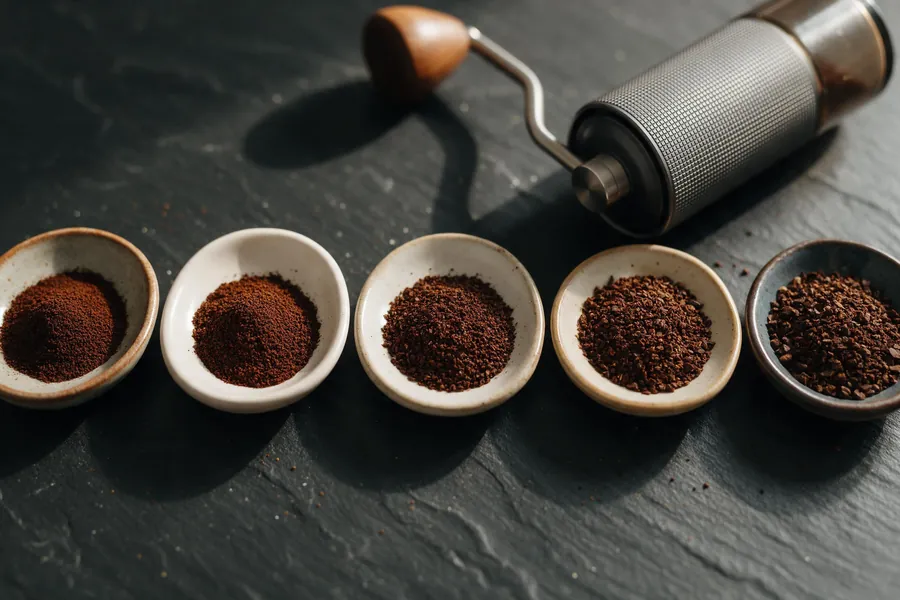
Extraction and sensory perception are the levers for a good cup at home, too. How strongly grind size, time and temperature shift the taste becomes clear when you compare an espresso that runs in 25 to 30 seconds with a cold brew that steeps for 12 to 16 hours in the fridge. The basics are in our guides to grind size and cold brew.
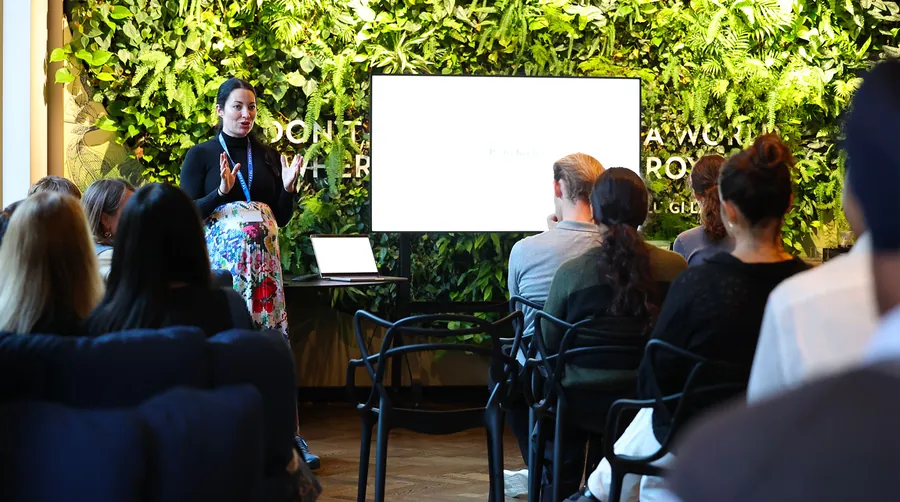
“Creating a bridge between research and practical innovation, where science and creativity meet young talent to shape the future of coffee.”
Marco Lavazza, Vice Chairman of the Lavazza Group
For the group, partnerships with universities and institutions are a way to share knowledge and skills and to co-create solutions that bring diverse perspectives together and generate long-term value.
Final before the panel
The highlight was the presentation of the concepts. The teams pitched their projects to a panel of experts from Lavazza and several guests from the British food service industry, and according to the company the presentations provided valuable technical and creative insights. The winning group was the one that best combined inventiveness, technical feasibility and excellent taste. As a prize, the winners received a Tablì coffee machine. With this system Lavazza introduced what it describes as the first 100% coffee tab, and the machine stands for the group's drive to keep rethinking coffee.
Share