
A good cup is often closer than you think. How to find it within 0.2 or 0.5 miles: the map filters that matter, what reviews and photos reveal, the signs of specialty coffee and what to check in your first five minutes.
In short
- 0.2 miles is about 320 metres, roughly a four minute walk. 0.5 miles is about 800 metres, roughly ten minutes at an easy pace.
- In the map app, combine open now, a small radius and a minimum rating, then read the newest reviews instead of trusting the star average.
- Photos of the espresso machine, the grinder and the menu board tell you more than any interior shot.
- Roast dates, named origins, filter coffee on the menu and an in house roastery are the clearest signs of specialty coffee.
Typing “coffee shops near me within 0.5 mi” into a map is a very precise wish. You want a good cup, and you want it without a detour. The map will happily drop a dozen pins around you. The skill lies in sorting them in two minutes, so that the walk ends at a counter that is worth the stop.
What 0.2 and 0.5 miles mean on foot
At an easy walking pace of about three miles an hour, 0.2 miles is roughly 320 metres and takes around four minutes. That is the radius for a quick espresso between two meetings, or for a cup you carry back to your desk while it is still hot. 0.5 miles is about 800 metres, around ten minutes on foot. Within that circle you usually have a real choice, and the short walk there and back is a pleasant break in itself.
Keep in mind that some apps show the distance as the crow flies, others along the streets. Crossings, hills and stairs add time, so treat the numbers as a guide rather than a promise.
Set up the map search
Four settings do most of the sorting for you:
- Open now: switch this on first. Smaller cafés often keep short hours, especially at weekends, and nothing spoils the mood like a ten minute walk to a locked door.
- Radius: zoom the map to your walking circle, or search first and then drag the map until only the streets around you are visible. Searching for “specialty coffee” or “espresso bar” instead of just “coffee” already filters out many bakeries and restaurants.
- Rating: a minimum of around four stars is a sensible first cut, but do not stop there. A place with fewer but recent reviews can be better than an old favourite with thousands.
- Category: look at how a place describes itself. “Coffee roasters” or “espresso bar” promises something different from “café and bakery” or “breakfast restaurant”.
Read reviews like a barista
The star average says little about the coffee itself. It mixes the friendliness of the staff, the wifi, the cake and the length of the queue. Sort by newest and read the last ten or so reviews. You are looking for words about the cup: balanced, sweet, fruity, silky milk, a well made flat white. When guests mention the beans, the roast or an origin by name, someone behind the counter clearly cares about coffee.
Look for patterns rather than single voices. One complaint about a bitter espresso is a bad day, the same complaint every week is a habit. The replies from the café help too: a calm, specific answer shows a team that pays attention.
What the photos give away
Skip the interior shots and look for pictures of the bar. Three details are worth zooming in on:
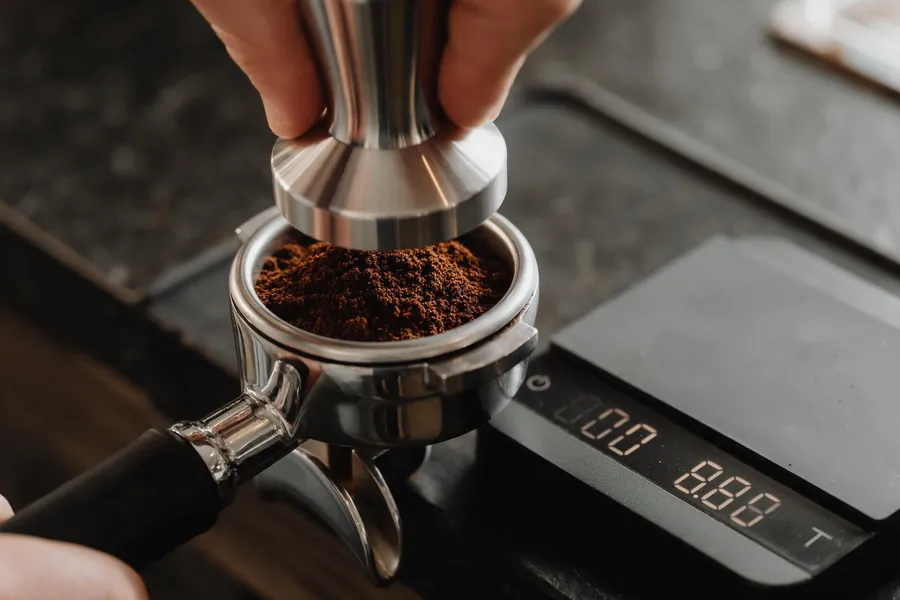
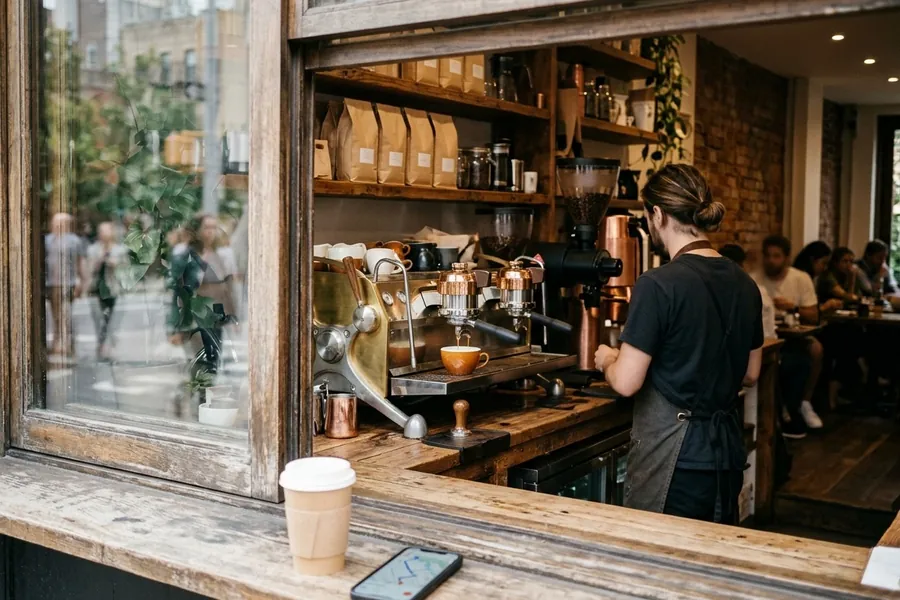
- The espresso machine: a clean machine with portafilters means every shot is prepared by hand. A bean to cup machine is not a bad sign in itself, but it usually comes with a simpler menu.
- The grinder: one or more grinders right next to the machine, ideally one for each coffee on offer, show that the beans are ground fresh for every cup.
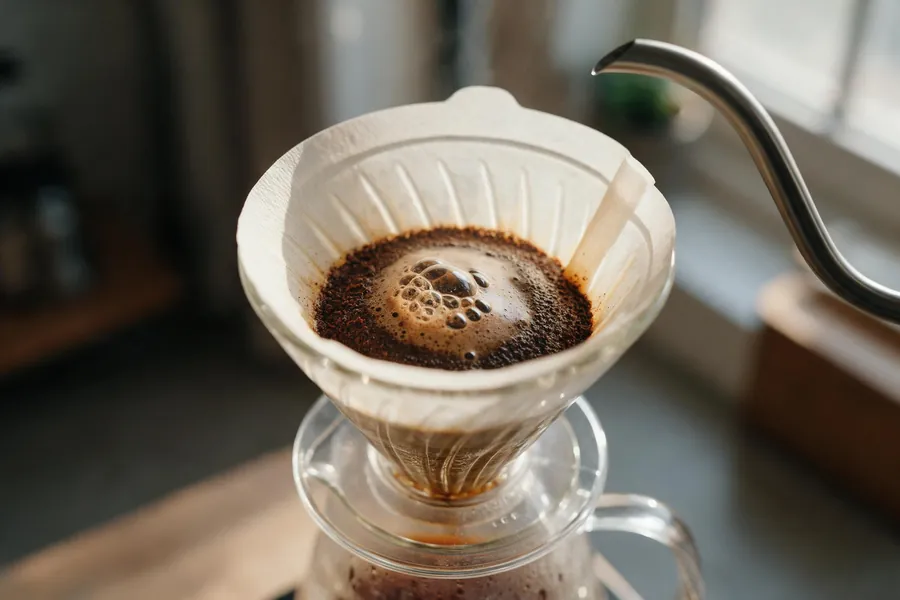
- The menu board and the shelf: bags of beans for sale, a board that lists origins, and a pour over station or a batch brewer are strong hints that coffee is the main act here.
Signs of specialty coffee
Specialty coffee is less about price or design than about information. The more a café tells you about its beans, the more care has usually gone into them.
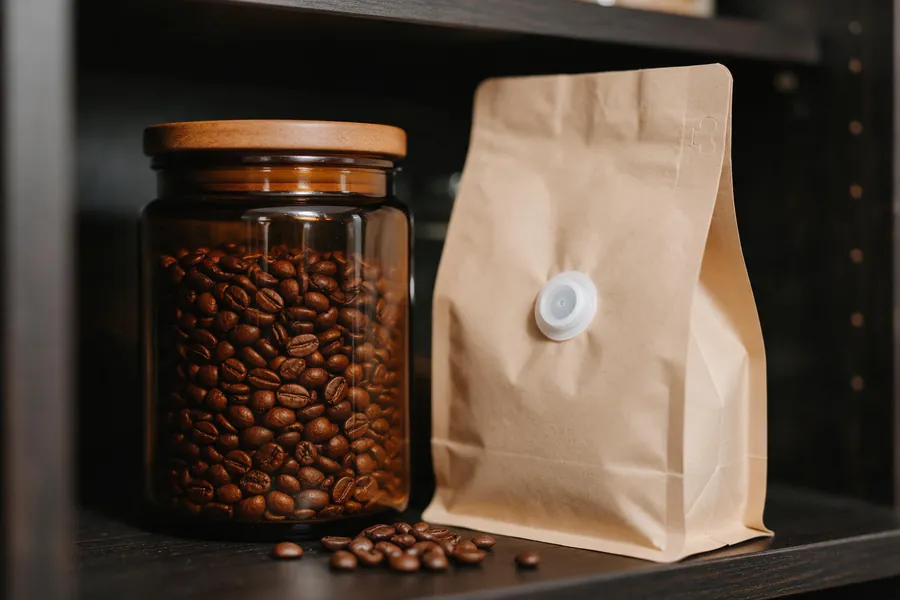
- Roast date: the bags on the shelf show the day of roasting, not only a best before date. Coffee is at its best in the weeks after roasting.
- Origin: the menu names a country, often a region, a farm or a cooperative, and sometimes the variety and the process, such as washed or natural.
- Filter coffee on the menu: a pour over or a fresh batch brew next to the espresso drinks shows a team that trusts its beans enough to serve them without milk.
- Own roastery: a small roaster in the back or the words “roasted in house” suggest that freshness is under control.
- Tasting notes: descriptions such as citrus, cocoa or stone fruit mean that someone has tasted the coffee with care. Our aroma wheel helps you decode them.
Your first five minutes at the counter
Once you are inside, a few quiet observations tell you whether you have found your new regular spot:
- Listen to the grinder. It should start for every single espresso. A grinder that only runs now and then to fill a container means coffee that waits after grinding.
- Watch the milk. Good milk foam is glossy and silky, steamed fresh for each drink in a jug that is rinsed between orders. Milk that is heated twice loses its sweetness.
- Check the bar. A tidy workspace, a steam wand that is wiped after every use and clean portafilters say more than any decoration.
- Ask one question. “Which coffee are you using today?” A good barista answers gladly, names the beans and may suggest a filter to try. That short conversation is often the best sign of all.
- Start simple. Order an espresso or a plain filter first. Without milk and syrup you taste what the café really does.
If the first cup convinces you, your daily walk to good coffee has just shrunk to four or ten minutes. If not, the next pin on the map is rarely far away.
Common questions
How long does it take to walk 0.5 miles?
About ten minutes at an easy pace of roughly three miles an hour. 0.5 miles is about 800 metres, and crossings or hills can add a minute or two.
How far is 0.2 miles on foot?
About 320 metres, a walk of around four minutes. Close enough for a quick espresso between two appointments or a cup to take back to your desk.
How can I spot a specialty coffee shop on the map?
Look at the photos of the bar and the shelf: a grinder next to the machine, bags of beans with a roast date, a menu that names origins and filter coffee next to the espresso drinks. Recent reviews that talk about the beans rather than the cake point the same way.
What should I order first in a new coffee shop?
An espresso or a plain filter coffee. Without milk or syrup you taste the beans and the skill behind the bar directly. If you prefer milk, a small flat white still shows a lot about the espresso and the milk foam.
Share